

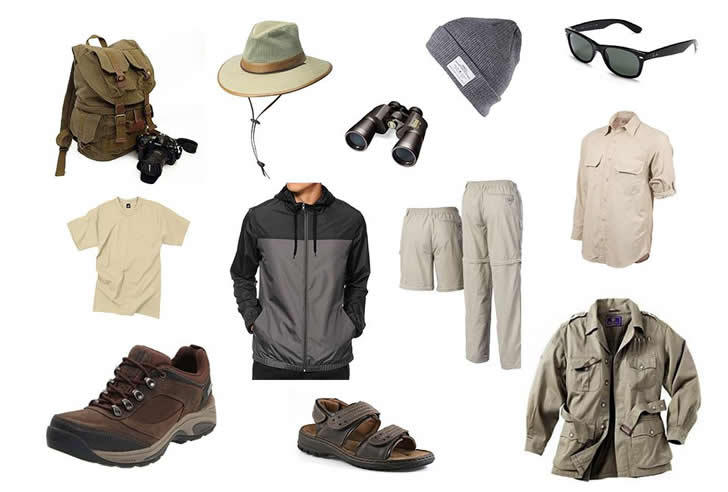
Your packing list for a safari in Tanzania covers all the essential items to ensure a comfortable and enjoyable experience in the wilderness. Here’s a breakdown of your recommendations:
1.Neutral-colored clothing: Pack lightweight, breathable clothing in neutral colors like khaki, beige, or olive green to blend in with the surroundings and avoid attracting insects. Long-sleeved shirts and pants can provide protection from the sun and insects.
-
Comfortable walking shoes: Bring sturdy, comfortable walking shoes or hiking boots suitable for walking on uneven terrain and potentially muddy or dusty conditions.
-
Hat and sunglasses: Protect yourself from the sun with a wide-brimmed hat and sunglasses with UV protection.
-
Lightweight jacket or fleece: Evenings and early mornings on safari can be cool, so pack a lightweight jacket or fleece for layering.
-
Rain gear: Depending on the season, you may encounter rain showers, so it’s advisable to pack a lightweight rain jacket or poncho.
-
Binoculars: Bring binoculars to enhance wildlife viewing and observe animals from a distance.
-
Camera and accessories: Capture your safari memories with a camera and accessories such as extra batteries, memory cards, and a lens cleaning kit.
-
Sunscreen and insect repellent: Protect your skin from the sun’s rays and insect bites with sunscreen and insect repellent containing DEET or other effective ingredients.
-
Personal medications: Pack any necessary prescription medications and a basic first-aid kit for minor injuries or ailments.
-
Reusable water bottle: Stay hydrated during your safari by bringing a reusable water bottle to refill with clean drinking water provided by your safari operator.
-
Daypack: Carry a small daypack to hold essentials such as water, snacks, sunscreen, insect repellent, and binoculars during game drives and walks.
-
Documents and essentials: Don’t forget to bring your passport, visa (if required), travel insurance, and any other essential documents in a waterproof pouch or bag.
-
Electronics and chargers: Bring a flashlight or headlamp for nighttime activities, as well as chargers for your electronic devices.
-
Cash: Carry some cash in small denominations for tipping guides, drivers, and staff, as well as for purchasing souvenirs or snacks.
Remember to pack light and consider any luggage restrictions imposed by your safari operator or domestic airlines. It’s also a good idea to check the weather forecast for your safari destination and pack accordingly.
What to Pack for a Tanzania Safari: Complete Essentials Guide
The first decision in a Tanzania safari is not the lodge or even the park. It is the amount of time available once airport arrivals, road transfers and departure logistics are subtracted. Five days on paper can mean considerably fewer full days observing wildlife.
How to use this guide for a real travel decision
For a northern route, consider whether you prefer broad habitat variety or extended time in the Serengeti. Tarangire, Ngorongoro and Serengeti complement one another, but the value of the combination depends on sensible travel days.
Begin with the experience you want and work backwards through travel dates, available days, your starting city and your budget. A detailed guide should expose the choices hidden by broad marketing terms, so readers can ask the right questions before they book.
The trade-offs travellers should understand
Before paying, request one final itinerary with exact nights, park fees, guide and vehicle arrangements, room categories, meal plan, domestic flight conditions and a clear schedule for any balance payment.
How to compare travel quotations fairly
- Match the exact itinerary and number of overnight stays, not just the title and total days.
- Compare actual hotel or camp location, room category and meal basis.
- Check entry charges, guided activities, transport and flight legs that are explicitly included.
- Look for practical details on travel connections, seasonal alternatives and local permissions.
- Read deposit, change and cancellation policies supplied for the particular booking.
Questions readers should ask before travel
What is the most important experience on this trip? Which days include long transfers? What changes if the weather or wildlife location differs from expectations? How does the proposed accommodation affect the daily plan? These questions create more reliable decisions than an unverified list of superlatives.
Seasonal planning and realistic expectations
No month is perfect for every region or every activity in Tanzania. Rainfall, roads, animal movement and visitor numbers differ across the coast, northern parks, western lakes and highlands. Compare information for the places you are actually visiting and check operational details close to departure.
A successful packing list focuses on layers, sun and dust protection, practical shoes and a manageable bag. Packing for a tented safari differs from packing for a lodge and short domestic flight connection.
The planning decision that matters most
Check your airline’s actual baggage policy and keep required medication accessible. Bring the things that help you observe comfortably, not equipment purchased simply because a list online calls it essential.
Northern, southern and coastal Tanzania are different journeys
The northern circuit includes Serengeti, Ngorongoro, Tarangire and other nearby landscapes, with Arusha commonly used as a gateway. Southern options such as Mikumi, Ruaha and Nyerere have their own access patterns. Beach holidays in Zanzibar add another set of flight, tide and hotel considerations. Combining regions is possible, but not always wise on a short schedule.
Choosing travel dates and accommodation thoughtfully
The dry season can concentrate wildlife at remaining water sources, while greener periods offer different scenery, birdlife and seasonal conditions. Lodging category alone does not explain value; distance from the wildlife area, room standards and travel-time savings all matter.
How to compare a safari quote fairly
Compare the vehicle and guide arrangement, exact accommodation nights, included park fees, meals, optional activities and transport before comparing total prices. The itinerary should explain the last day just as clearly as the first, particularly when an international flight is involved.
Questions to ask before confirming the booking
- Which exact destinations and overnight locations are included, and how much time will be spent travelling between them?
- Which fees, flights, meals, equipment and transfers are included in the quoted price?
- Is the departure confirmed, private or shared, and are any activities subject to age, health or access restrictions?
- What happens if weather, a transport cancellation or an accommodation change affects the schedule?
- Which conditions apply to deposits, cancellation, refunds and travel insurance?
Frequently asked questions
How far ahead should a Tanzania journey be planned?
The useful lead time depends on dates and availability. Popular lodges and flight connections can fill, so inquire early, but evaluate the final itinerary carefully before paying.
Should I choose the cheapest package?
Choose the proposal that meets your needs with transparent inclusions and realistic logistics. A lower price may reflect a shorter programme or different accommodation and transport.
Do all trips include the same wildlife activities?
No. Permitted activities and wildlife opportunities vary by park, season and provider. Confirm each specific experience in the written itinerary.
Can I add beach days or another safari destination?
Often, subject to transport connections, timing and availability. Adding a destination is worthwhile only when the schedule allows time to enjoy it.