
Kilimanjaro Trekking Trips: Itineraries, Routes & Gear
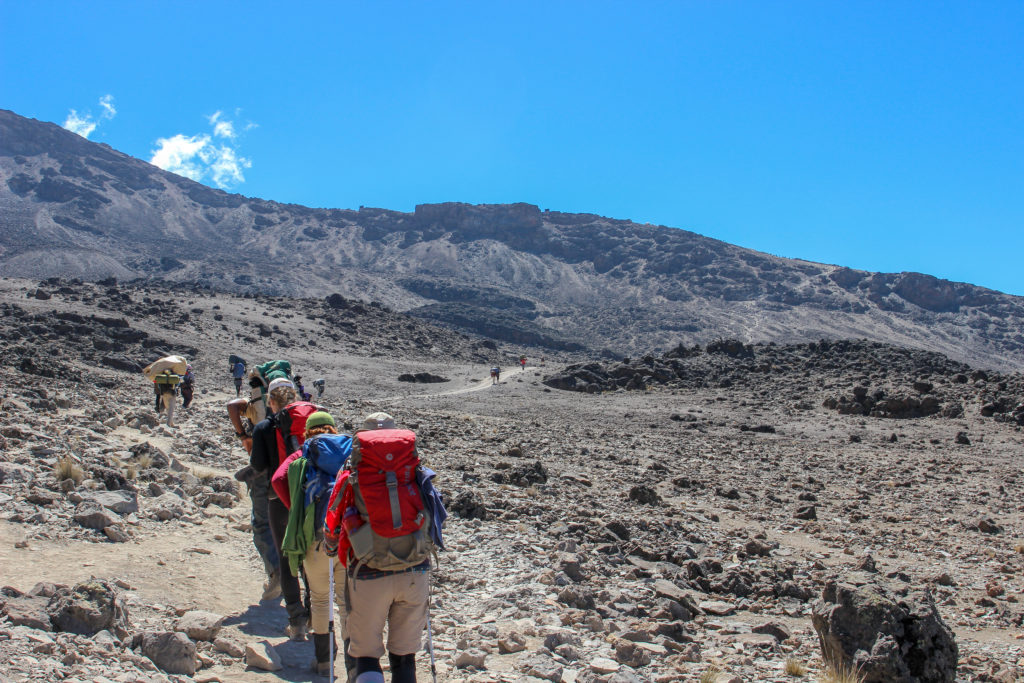
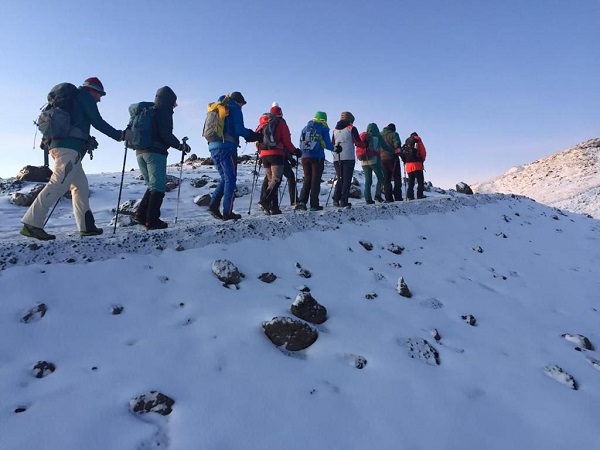
Kilimanjaro packing starts with a layering system that can cope with warm lower slopes and cold, exposed high elevations. The full equipment list depends on the route, time of year, sleeping arrangements and what the outfitter supplies.
How to use this guide for a real travel decision
Ask separately about the personal daypack, main duffel, sleeping bag, sleeping pad, rain protection and any rented gear. Do not assume that a quotation includes equipment simply because it advertises a fully guided climb.
Begin with the experience you want and work backwards through travel dates, available days, your starting city and your budget. A detailed guide should expose the choices hidden by broad marketing terms, so readers can ask the right questions before they book.
The trade-offs travellers should understand
Try on footwear and clothing in advance, and discuss any altitude-related or health concerns with a qualified professional. Equipment supports comfort; it cannot eliminate high-altitude risks.
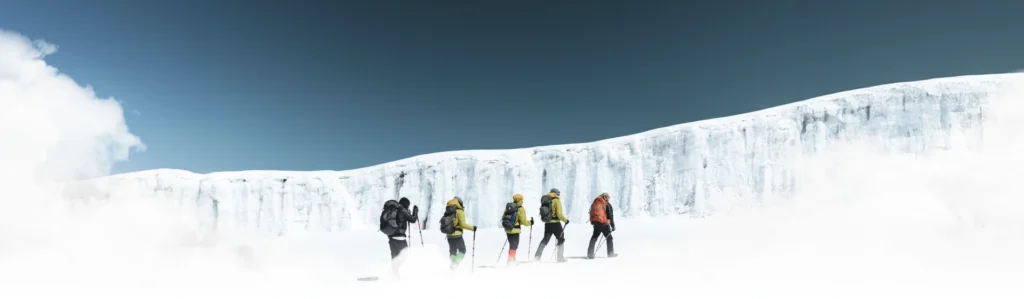
Mountain conditions can change quickly and altitude creates genuine medical considerations. Readers should compare realistic route durations and licensed support arrangements instead of treating a promotional success rate as a guarantee.
How to compare travel quotations fairly
- Match the exact itinerary and number of overnight stays, not just the title and total days.
- Compare actual hotel or camp location, room category and meal basis.
- Check entry charges, guided activities, transport and flight legs that are explicitly included.
- Look for practical details on travel connections, seasonal alternatives and local permissions.
- Read deposit, change and cancellation policies supplied for the particular booking.
Questions readers should ask before travel
What is the most important experience on this trip? Which days include long transfers? What changes if the weather or wildlife location differs from expectations? How does the proposed accommodation affect the daily plan? These questions create more reliable decisions than an unverified list of superlatives.
Seasonal planning and realistic expectations
No month is perfect for every region or every activity in Tanzania. Rainfall, roads, animal movement and visitor numbers differ across the coast, northern parks, western lakes and highlands. Compare information for the places you are actually visiting and check operational details close to departure.
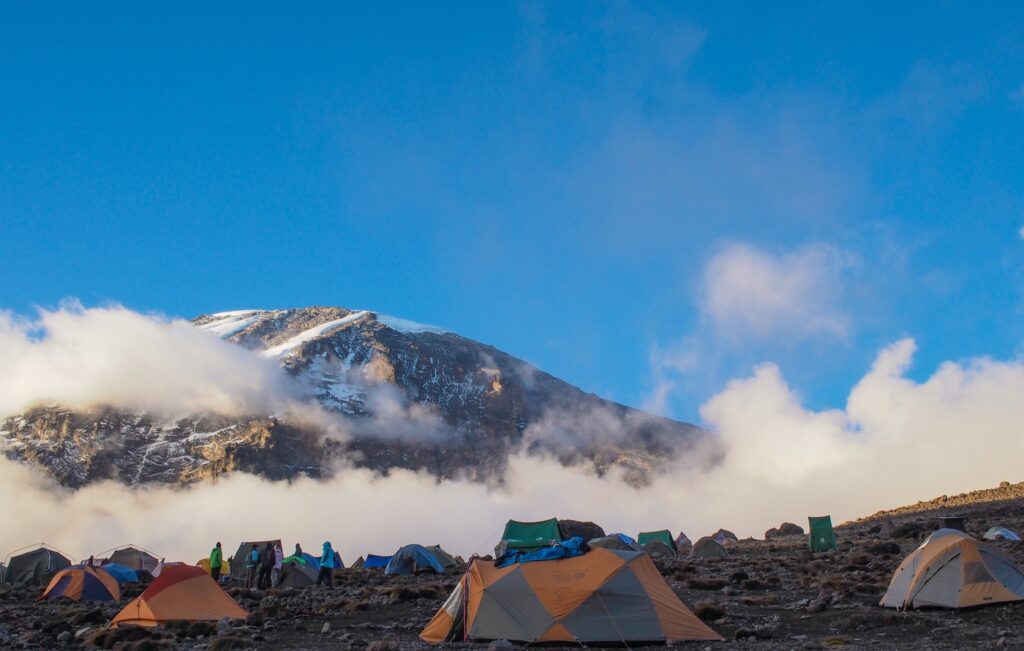
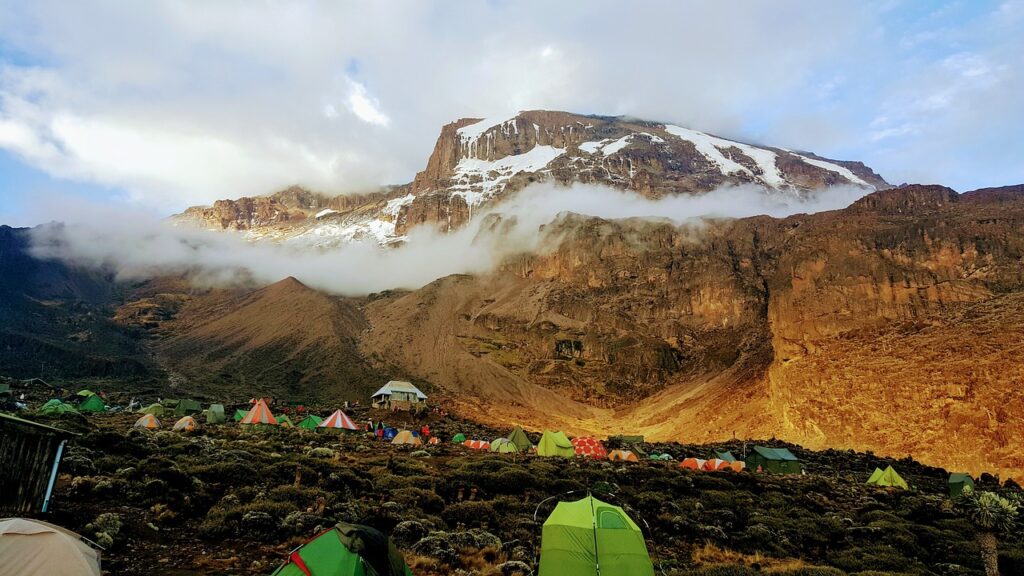
A Kilimanjaro climbing trip involves a support system as well as a mountain route. The quality of itinerary planning, crew conditions and communication matters as much as the headline trip duration.
The planning decision that matters most
Read the exclusions carefully: personal gear, domestic or international travel, insurance and additional hotel nights may be separate even when the trek itself is fully guided.
Compare mountain routes without relying on slogans
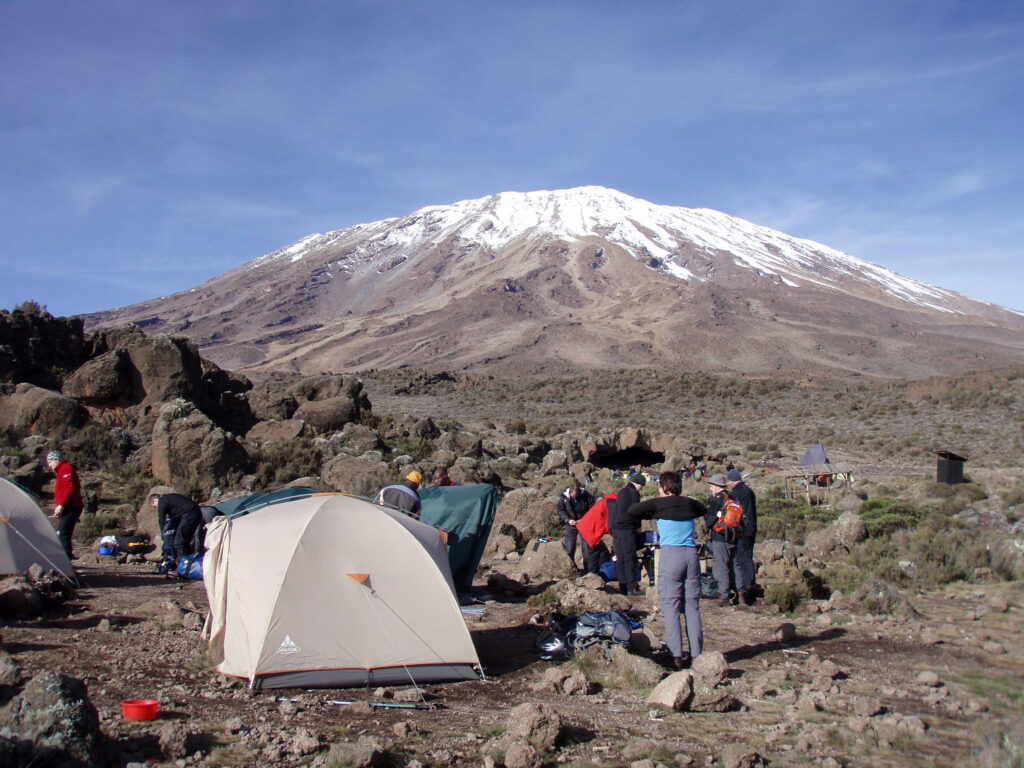
Lemosho, Machame, Marangu, Rongai and Northern Circuit journeys differ in approach, overnight facilities, length and pace. Look at the actual stage-by-stage programme rather than treating a route’s popularity or advertised summit rate as a measure of suitability for every person.
What responsible Kilimanjaro trip planning looks like
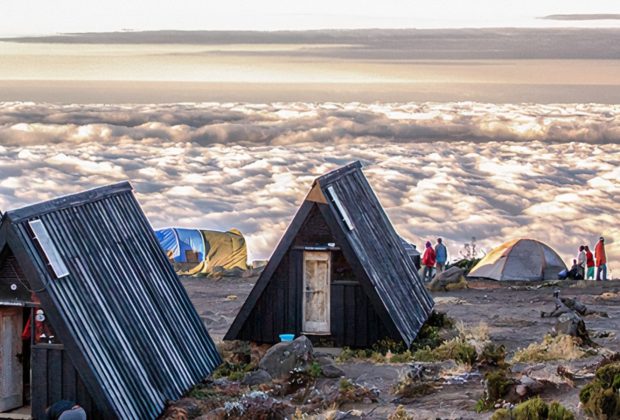
A quality itinerary is explicit about licensed guides, national-park arrangements, crew support, emergency procedures, meals and equipment. An extra hotel night or a transfer may not be included in every quote. Health and altitude concerns should be evaluated by qualified professionals; climbing a high mountain is not made risk-free by being marketed as a walking trek.
When to go and how to compare costs
There are commonly favoured trekking seasons with comparatively drier conditions, but weather on a high mountain is never completely predictable. Compare exact inclusions and the number of trekking days before judging two prices. A cheaper headline package may omit airport transfers, hotel nights or items that another operator supplies.
Questions to ask before confirming the booking
- Which exact destinations and overnight locations are included, and how much time will be spent travelling between them?
- Which fees, flights, meals, equipment and transfers are included in the quoted price?
- Is the departure confirmed, private or shared, and are any activities subject to age, health or access restrictions?
- What happens if weather, a transport cancellation or an accommodation change affects the schedule?
- Which conditions apply to deposits, cancellation, refunds and travel insurance?
Frequently asked questions
How far ahead should a Tanzania journey be planned?
The useful lead time depends on dates and availability. Popular lodges and flight connections can fill, so inquire early, but evaluate the final itinerary carefully before paying.
Should I choose the cheapest package?
Choose the proposal that meets your needs with transparent inclusions and realistic logistics. A lower price may reflect a shorter programme or different accommodation and transport.
Do all trips include the same wildlife activities?
No. Permitted activities and wildlife opportunities vary by park, season and provider. Confirm each specific experience in the written itinerary.
Can I add beach days or another safari destination?
Often, subject to transport connections, timing and availability. Adding a destination is worthwhile only when the schedule allows time to enjoy it.