



Great Serengeti Wildebeest Migration: Seasonal Guide
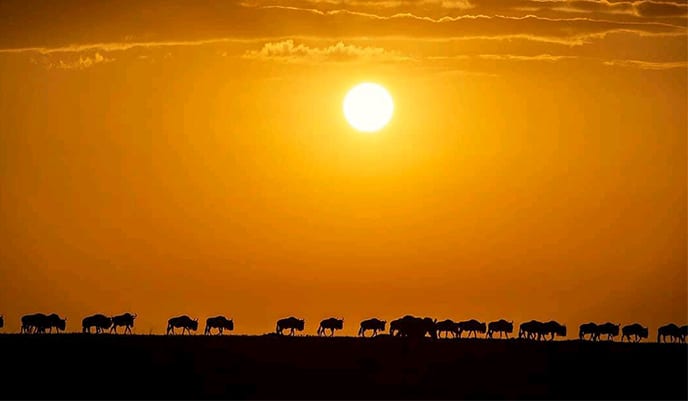
The Great Migration is a year-round movement across the greater Serengeti–Mara ecosystem, not a single event fixed to one month. The desired experience should determine the region and the accommodation.
How to use this guide for a real travel decision
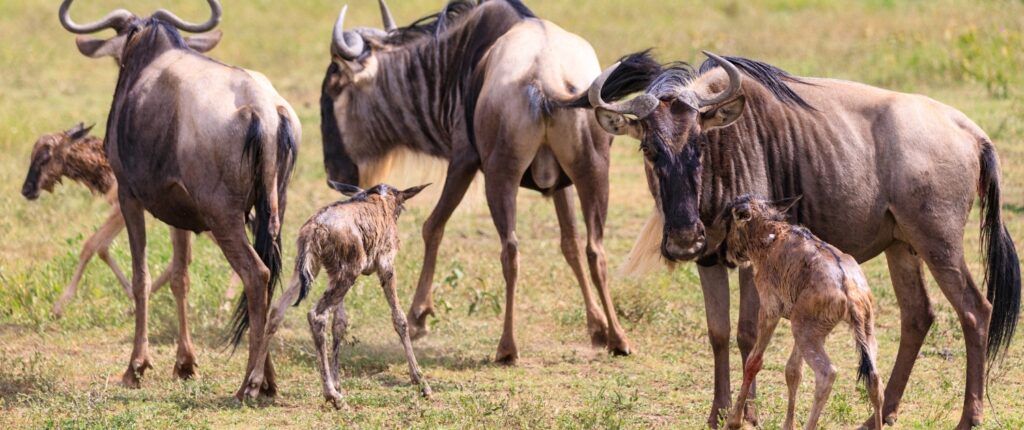
Southern plains are often highlighted for the calving season; the western and northern sectors become important at other times. Rainfall can shift the timing considerably.
Begin with the experience you want and work backwards through travel dates, available days, your starting city and your budget. A detailed guide should expose the choices hidden by broad marketing terms, so readers can ask the right questions before they book.
The trade-offs travellers should understand
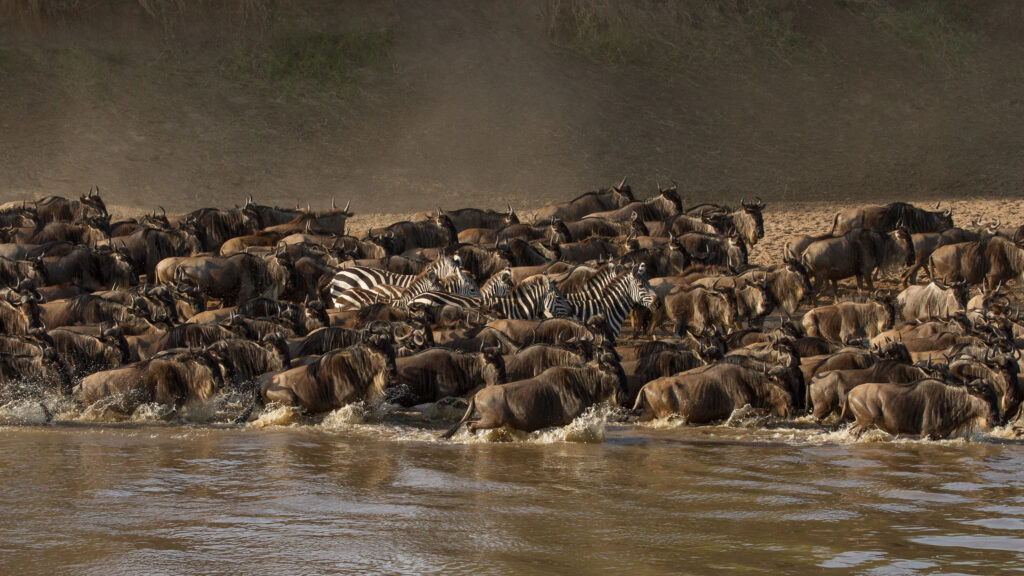
Select the trip by region, length of stay and realistic driving distances, not by a guarantee of dramatic crossings. A crossing may happen without warning or not occur during a particular visit.
Migration viewing is not a single-date event. Wildebeest move across a large ecosystem in response to grazing and rainfall, so river crossings and calving activity should be discussed as seasonal possibilities rather than fixed appointments.
How to compare travel quotations fairly
- Match the exact itinerary and number of overnight stays, not just the title and total days.
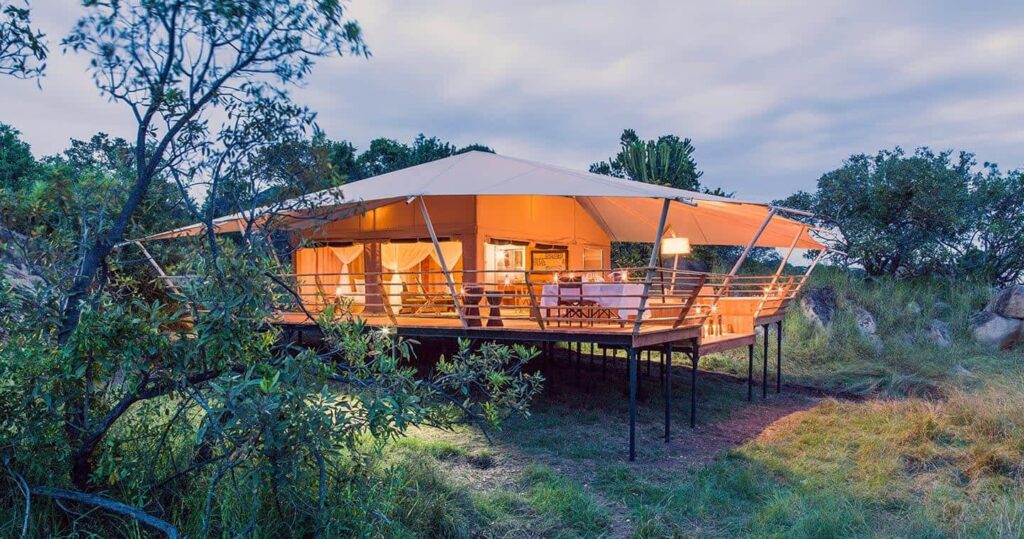
- Compare actual hotel or camp location, room category and meal basis.
- Check entry charges, guided activities, transport and flight legs that are explicitly included.
- Look for practical details on travel connections, seasonal alternatives and local permissions.
- Read deposit, change and cancellation policies supplied for the particular booking.
Questions readers should ask before travel
What is the most important experience on this trip? Which days include long transfers? What changes if the weather or wildlife location differs from expectations? How does the proposed accommodation affect the daily plan? These questions create more reliable decisions than an unverified list of superlatives.
Seasonal planning and realistic expectations
No month is perfect for every region or every activity in Tanzania. Rainfall, roads, animal movement and visitor numbers differ across the coast, northern parks, western lakes and highlands. Compare information for the places you are actually visiting and check operational details close to departure.
The migration follows seasonal grazing and rainfall across a broad ecosystem. It should not be marketed as a single predictable river-crossing spectacle that happens on fixed dates.
The planning decision that matters most
A responsible plan explains which region will be visited and why that location may be relevant for the expected season. More days in the right area improve flexibility but do not guarantee a particular event.
Choose the right part of the Serengeti for the season
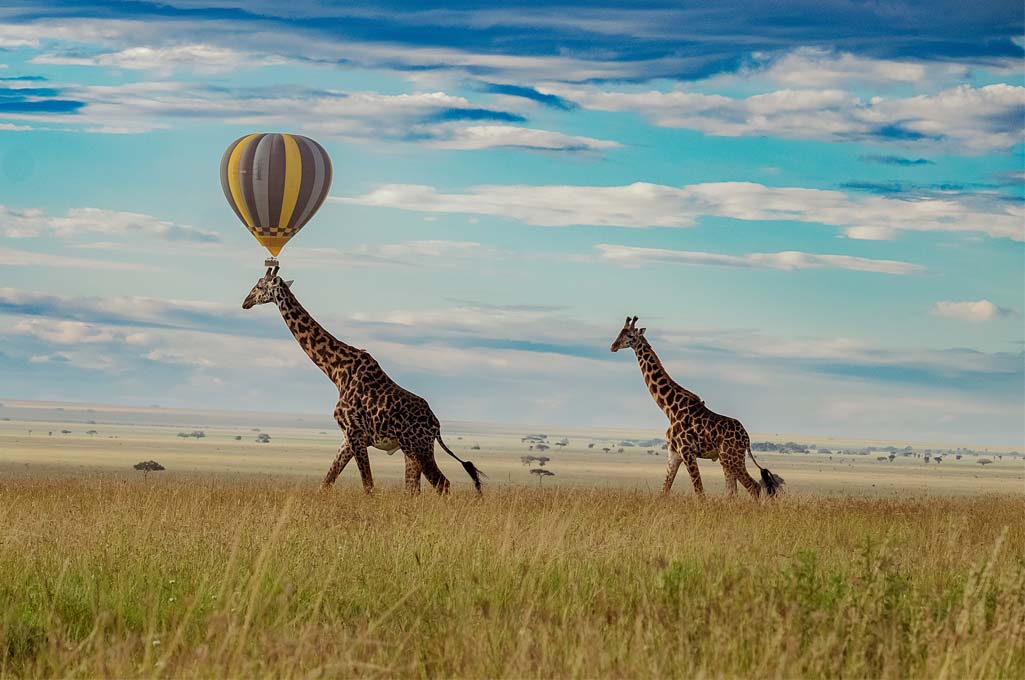
The Serengeti’s central, western, southern and northern landscapes serve different interests. Migration-focused planning must follow the probable distribution of wildlife, not a fixed month-by-month promise. Animals respond to rainfall and grass; crossing events are unpredictable.
How many days should you allow for a Serengeti safari?
A short visit may introduce the central region, but extended time makes it easier to work around long drives, changing weather and wildlife movements. If your primary ambition concerns a specific faraway sector, ask whether it is sensible to fly in or allocate several nights nearby.
Practical choices for photographers and first-time travellers
Photographers often benefit from a private vehicle and patient guiding, while first-time visitors may value a combination with Tarangire and Ngorongoro. The best choice depends on arrival point, accommodation locations and the number of full wildlife-viewing days.
Questions to ask before confirming the booking
- Which exact destinations and overnight locations are included, and how much time will be spent travelling between them?
- Which fees, flights, meals, equipment and transfers are included in the quoted price?
- Is the departure confirmed, private or shared, and are any activities subject to age, health or access restrictions?
- What happens if weather, a transport cancellation or an accommodation change affects the schedule?
- Which conditions apply to deposits, cancellation, refunds and travel insurance?
Frequently asked questions
How far ahead should a Tanzania journey be planned?
The useful lead time depends on dates and availability. Popular lodges and flight connections can fill, so inquire early, but evaluate the final itinerary carefully before paying.
Should I choose the cheapest package?
Choose the proposal that meets your needs with transparent inclusions and realistic logistics. A lower price may reflect a shorter programme or different accommodation and transport.
Do all trips include the same wildlife activities?
No. Permitted activities and wildlife opportunities vary by park, season and provider. Confirm each specific experience in the written itinerary.
Can I add beach days or another safari destination?
Often, subject to transport connections, timing and availability. Adding a destination is worthwhile only when the schedule allows time to enjoy it.