




Mid-Range Safaris: Travel Planning & Safari Guide
To plan Mid-Range Safaris, start by identifying your travel dates, where the experience takes place and the time required for realistic transfers.
How to use this guide for a real travel decision
A good itinerary gives as much attention to the conditions on the ground as to attractions in a headline. Different travel styles need different pacing, and local access can change.
Begin with the experience you want and work backwards through travel dates, available days, your starting city and your budget. A detailed guide should expose the choices hidden by broad marketing terms, so readers can ask the right questions before they book.
The trade-offs travellers should understand
Before booking, ask for the exact day-by-day schedule, included services and applicable change terms.
How to compare travel quotations fairly
- Match the exact itinerary and number of overnight stays, not just the title and total days.
- Compare actual hotel or camp location, room category and meal basis.
- Check entry charges, guided activities, transport and flight legs that are explicitly included.
- Look for practical details on travel connections, seasonal alternatives and local permissions.
- Read deposit, change and cancellation policies supplied for the particular booking.
Questions readers should ask before travel
What is the most important experience on this trip? Which days include long transfers? What changes if the weather or wildlife location differs from expectations? How does the proposed accommodation affect the daily plan? These questions create more reliable decisions than an unverified list of superlatives.
Seasonal planning and realistic expectations
No month is perfect for every region or every activity in Tanzania. Rainfall, roads, animal movement and visitor numbers differ across the coast, northern parks, western lakes and highlands. Compare information for the places you are actually visiting and check operational details close to departure.
To plan Mid-Range Safaris, start by identifying your travel dates, where the experience takes place and the time required for realistic transfers.
Accommodation location can matter as much as the room category
A good itinerary gives as much attention to the conditions on the ground as to attractions in a headline. Different travel styles need different pacing, and local access can change.
Compare the details behind the quoted accommodation level
Before booking, ask for the exact day-by-day schedule, included services and applicable change terms.
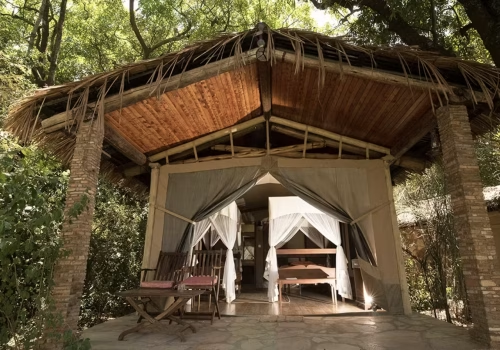
A lodge on the edge of a national park, an unfenced tented camp inside a permitted wildlife area and a city hotel serve different purposes. Accommodation names sometimes change, and a phrase such as “or similar” should be supported by clear minimum standards agreed with the traveller.
Points to confirm before accepting a lodge substitution
- The intended area and realistic transfer time to the planned activities.
- Room type, bed configuration, bathroom facilities and meal plan.
- Current operating dates and whether an alternative is in the same general location.
- Any additional park or conservation charges linked to the accommodation location.
Frequently asked questions
Does the term “luxury lodge” describe a fixed hotel standard?
No. Examine the actual property, room category, service level and location instead of relying on a label.
Does a safari price always include all accommodation charges?
No. Check the written quote for included nights, meals, government or conservation charges and optional extras.
Can the accommodation change after a booking?
Any changes should be handled under the agreed booking conditions, with suitable alternatives explained clearly.
Should I prioritize the closest lodge?
Location is important for game-drive time, but comfort, budget, access and travel goals should also inform the decision.


