

Migration Safaris: Travel Planning & Safari Guide

Migration Safari in Tanzania

A Migration Safari in Tanzania offers a front-row seat to one of nature’s most awe-inspiring spectacles: the Great Migration. Each year, millions of wildebeest, zebras, and gazelles travel across the Serengeti and the Masai Mara in search of fresh grazing and water, followed closely by predators such as lions, cheetahs, and crocodiles. This massive movement of wildlife is a thrilling and unique experience for any safari enthusiast.

Season to Visit:

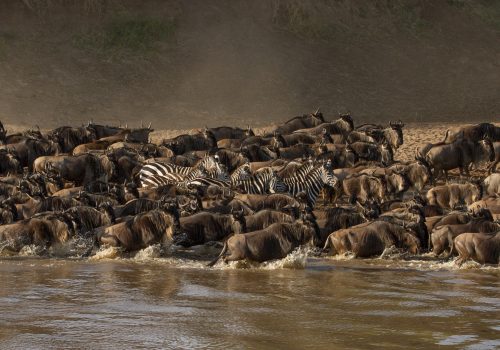
The best time to witness the migration is during the dry season (from June to October), when the herds are making their way northward in search of food and water. This period offers the opportunity to see the iconic river crossings, where wildebeest risk their lives crossing the crocodile-infested rivers in an effort to reach greener pastures.

However, the migration is a year-round event, with different parts of the Serengeti offering spectacular experiences at various times:

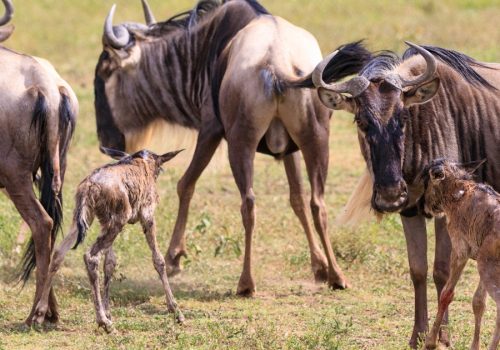
  • January to March: This is calving season. Thousands of baby wildebeest are born, attracting predators and making it an exciting time for photography and wildlife observation.

  • April to May: While the rains make some areas harder to access, these months can still offer quieter and less crowded experiences, and the lush landscape is breathtaking.

Whether you visit during the dramatic river crossings or witness the calving season, a migration safari in Tanzania is an unforgettable adventure filled with incredible wildlife encounters.

Migration Safari Itinerary

4-2 (1)

Tanzania Safari – 6-Day of Unforgettable Adventure

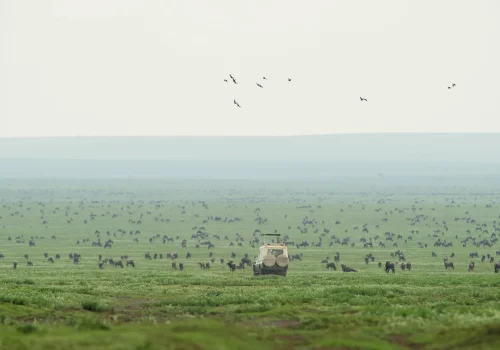
car_and_migration

7 Day Ultimate Serengeti Safari Witness the Great Migration

_MG_3818

6- Day fly from Zanzibar to northern adventures

Popular Questions About Migration Safari in Tanzania

What is the Great Migration?

The Great Migration refers to the annual movement of millions of wildebeest, zebras, and gazelles across the Serengeti and Masai Mara ecosystems in search of fresh grazing and water. This migration is one of the most remarkable wildlife events in the world, attracting predators like lions, cheetahs, and crocodiles.

The best time to experience the migration is during the dry season from June to October. This is when the herds are most active, and the famous river crossings, where wildebeest face crocodiles and strong currents, occur. However, other seasons, such as January to March (calving season), offer different but equally thrilling experiences.

The Great Migration primarily takes place in the Serengeti National Park, particularly in the Southern Serengeti (for calving) and the Northern Serengeti (for the river crossings). The migration also spills over into the Masai Mara in Kenya, but most of the action happens within Tanzania’s borders.

The migration is a continuous cycle that lasts throughout the year. The herds move in a circular pattern, typically starting in the Southern Serengeti in January for calving and making their way northward toward the Masai Mara in July to October before returning south in the wet season.

River crossings occur when the migrating herds have to cross the crocodile-infested Grumeti River and the Mara River. These crossings usually happen from July to October, with the most dramatic scenes unfolding in August and September. It’s a high-risk, high-reward moment for the wildebeest, and it’s a thrilling spectacle for safari-goers.

Yes! While the dry season (June to October) is the most popular time to see the migration, visiting during the early or late parts of the season can offer fewer crowds. May and November are great options for quieter safaris with still excellent migration sightings.

Aside from the vast herds of wildebeest, zebras, and gazelles, the migration attracts predators like lions, cheetahs, leopards, and hyenas. It’s also an excellent opportunity for birdwatching, with migratory bird species appearing along the way.

Yes, having an experienced safari guide is highly recommended. They know the best spots for viewing the migration, provide insight into animal behavior, and enhance your overall safari experience. Guides also ensure safety and help you spot wildlife that you might miss on your own.

Yes, the Great Migration is safe for tourists. Guided safaris ensure that you are kept at a safe distance from the animals and the river crossings. The safari vehicles are equipped with safety measures, and your guide will follow strict park rules to ensure a safe and enjoyable experience.

Yes! Many safari tours can be combined with other experiences like Mount Kilimanjaro trekking, visiting the Ngorongoro Crater, or relaxing on Zanzibar’s beaches. Our team at Ascnzen Safaris can help create a tailored itinerary that combines the migration with additional adventures.

Let Us Create Your Perfect Safari Adventure!

We’re thrilled to assist in designing your perfect safari experience! Kindly share your vision and preferences with us, and we’ll turn your dream adventure into reality.

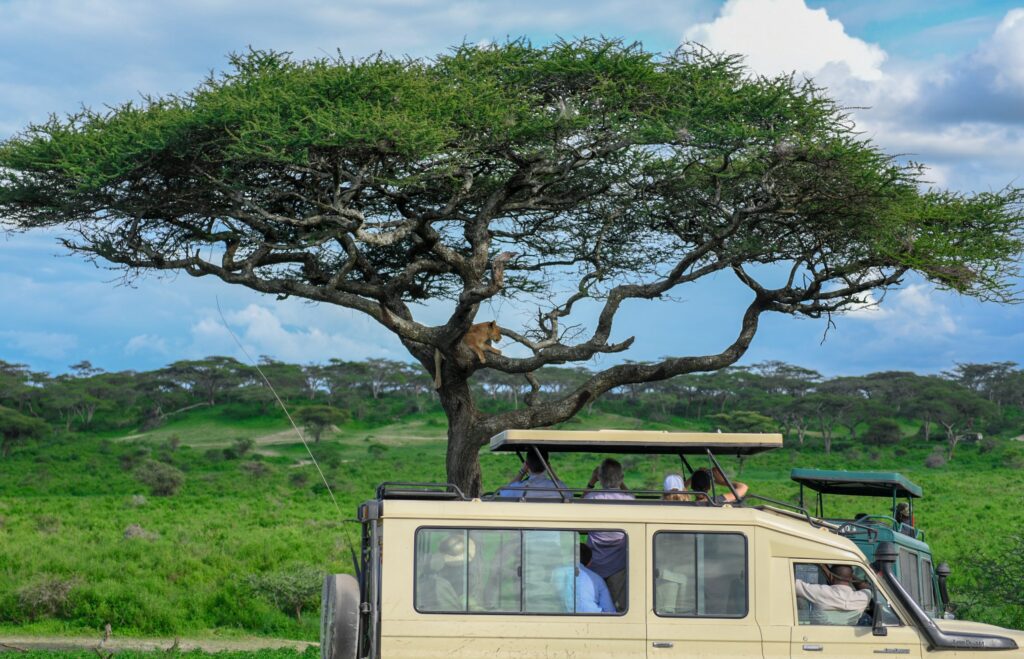
A scenic image of a safari in a green, lush landscape featuring a tall, flat-topped acacia tree with a lion resting on its branch. In the foreground, a beige safari vehicle with tourists from the Tanzania Safari and Adventure tour is partially visible, and another vehicle is nearby.

Migration Safaris: Travel Planning & Safari Guide

The Great Migration is a year-round movement across the greater Serengeti–Mara ecosystem, not a single event fixed to one month. The desired experience should determine the region and the accommodation.

How to use this guide for a real travel decision

Southern plains are often highlighted for the calving season; the western and northern sectors become important at other times. Rainfall can shift the timing considerably.

Begin with the experience you want and work backwards through travel dates, available days, your starting city and your budget. A detailed guide should expose the choices hidden by broad marketing terms, so readers can ask the right questions before they book.

The trade-offs travellers should understand

Select the trip by region, length of stay and realistic driving distances, not by a guarantee of dramatic crossings. A crossing may happen without warning or not occur during a particular visit.

Migration viewing is not a single-date event. Wildebeest move across a large ecosystem in response to grazing and rainfall, so river crossings and calving activity should be discussed as seasonal possibilities rather than fixed appointments.

How to compare travel quotations fairly

  • Match the exact itinerary and number of overnight stays, not just the title and total days.
  • Compare actual hotel or camp location, room category and meal basis.
  • Check entry charges, guided activities, transport and flight legs that are explicitly included.
  • Look for practical details on travel connections, seasonal alternatives and local permissions.
  • Read deposit, change and cancellation policies supplied for the particular booking.

Questions readers should ask before travel

What is the most important experience on this trip? Which days include long transfers? What changes if the weather or wildlife location differs from expectations? How does the proposed accommodation affect the daily plan? These questions create more reliable decisions than an unverified list of superlatives.

Seasonal planning and realistic expectations

No month is perfect for every region or every activity in Tanzania. Rainfall, roads, animal movement and visitor numbers differ across the coast, northern parks, western lakes and highlands. Compare information for the places you are actually visiting and check operational details close to departure.

The Great Migration is a year-round movement across the greater Serengeti–Mara ecosystem, not a single event fixed to one month. The desired experience should determine the region and the accommodation.

How to choose the route that fits your travel plans

Southern plains are often highlighted for the calving season; the western and northern sectors become important at other times. Rainfall can shift the timing considerably.

Practical details travellers often overlook

Select the trip by region, length of stay and realistic driving distances, not by a guarantee of dramatic crossings. A crossing may happen without warning or not occur during a particular visit.

A useful safari schedule balances wildlife observation with actual transfer time. If several parks are listed, ask which days are mainly travel and which allow a full game-drive programme. Some visits are better when based near one landscape for longer rather than travelling long distances every day.

What to clarify in the final safari quotation

  • Exact arrival and departure points and transfer arrangements.
  • Which nights are spent in each region and what kind of accommodation is booked.
  • Included park charges, guiding and activities versus optional extras.
  • Payment schedule, cancellation conditions and procedures for unavoidable changes.

Travel season and changing conditions

Northern safari conditions change between the wetter and drier periods, and different parts of the Serengeti can offer very different wildlife experiences in the same month. In the south or west, access and flight logistics may shape what is practical. Plan by region and desired experience rather than expecting every destination to behave alike.

Frequently asked questions

What should I consider first when planning Migration Safaris?

Start with the actual destinations, amount of usable travel time and the experiences you most want to prioritize.

How can I compare two Tanzania travel quotations?

Compare the exact nights, route, guiding, transport, admission charges and optional services—not the headline price alone.

Does the driest month always create the best holiday?

Not necessarily. Dry-season visibility, green-season scenery, crowds and the intended regions all influence the choice.

Can I request a customized programme?

Often, subject to timing, transport and accommodation availability. Request an updated written itinerary and price.


Continue planning with related Tanzania travel guides

Logo of Ascnzen Safaris featuring the company's name in orange and black text. On the right side of the text, there is an illustration of a secretary bird, perfectly capturing the essence of Tanzania Wildlife Safaris.

Safari Booking Enquiries

Let's make enquiries