
Kilimanjaro Climbing Routes Compared: Machame, Lemosho & More
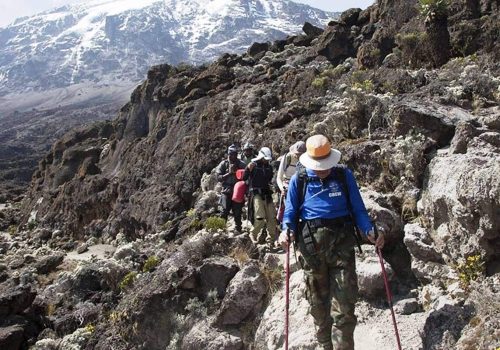
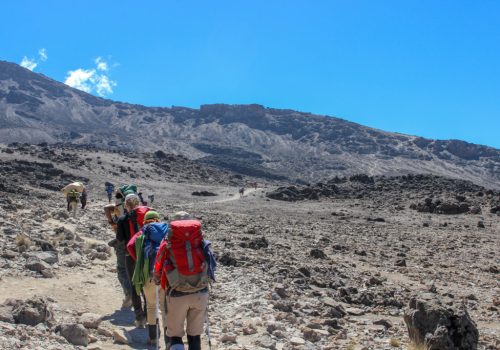
Mount Kilimanjaro rises to 5,895 metres and is a high-altitude trekking destination, not an ordinary day hike. Route selection, time allowed and safety support are more important than a claim about which route is “easiest.”
A useful destination guide begins with the questions a traveller actually needs answered: what makes the place distinct, how long to stay, how to reach it, what the seasons change, and which other stops genuinely fit the route. A beautiful photograph alone cannot settle these decisions.
How many days should you allow for Mount Kilimanjaro – Route?
An itinerary should be evaluated by its pacing, acclimatisation plan and support arrangements. Extra nights are not a guarantee of success, but rushed schedules leave less flexibility.
When building a short itinerary, separate arrival and departure time from the hours available for visiting. Overnighting closer to the intended experience can make a major difference, but the best arrangement also depends on lodging quality, seasonal road access and your next destination.
When to travel: seasonal differences in Mount Kilimanjaro – Route
Weather differs by altitude and exposure. Broadly drier periods often attract trekkers, though cold conditions and sudden changes can occur in any season.
If your dates are fixed, start from those dates instead of forcing the destination into a generalized “best month” claim. Green scenery, visibility, birdlife, dry-season access and visitor numbers rarely peak simultaneously. An experienced local planner should explain the trade-offs relevant to this specific location.
How to combine this destination with nearby places
Mountain or forest-focused visits need a different pace from a vehicle safari. Guided access, seasonal trail conditions, fitness suitability and the appropriate safety arrangements all require advance discussion with the authorized local provider. Choose a realistic schedule instead of treating the visit as another quick sightseeing stop.
What to confirm before booking Mount Kilimanjaro – Route
Ask about guide qualifications, emergency procedures, crew welfare, equipment, meals and whether hotel nights or airport transfers are included.
- The exact entrance, pickup location and transfer plan, rather than a generic city-to-park description.
- The number of usable activity hours after arrival and before departure.
- Any permitted activities, compulsory guide arrangements and relevant conservation fees.
- Accommodation position and whether the booking includes meals, transfers and applicable entry charges.
- How poor weather, wildlife movement or access restrictions may change the proposed schedule.
Responsible visits and honest expectations
Altitude-related illness is serious. Travellers should discuss personal fitness and health questions with a qualified clinician and follow licensed mountain guides and park regulations.
Mount Kilimanjaro rises to 5,895 metres and is a high-altitude trekking destination, not an ordinary day hike. Route selection, time allowed and safety support are more important than a claim about which route is “easiest.”
What makes this destination different?
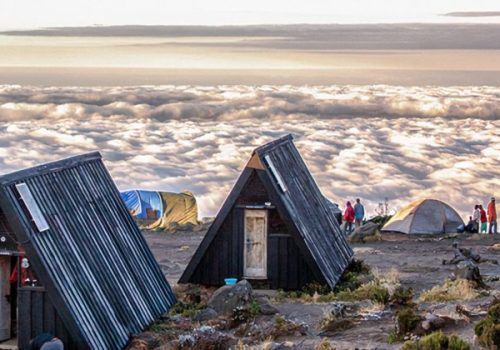
Machame and Lemosho generally involve camping; Marangu uses huts on the usual trail; Rongai approaches from the northern side. Northern Circuit itineraries spend longer traversing the mountain and may offer a slower profile.
How to build a worthwhile itinerary
An itinerary should be evaluated by its pacing, acclimatisation plan and support arrangements. Extra nights are not a guarantee of success, but rushed schedules leave less flexibility.
Best time to visit and seasonal differences
Weather differs by altitude and exposure. Broadly drier periods often attract trekkers, though cold conditions and sudden changes can occur in any season.
Access, accommodation and what to confirm before booking
Ask about guide qualifications, emergency procedures, crew welfare, equipment, meals and whether hotel nights or airport transfers are included.
Responsible travel and realistic expectations
Altitude-related illness is serious. Travellers should discuss personal fitness and health questions with a qualified clinician and follow licensed mountain guides and park regulations.
Frequently asked questions
What is the most important consideration when planning Mount Kilimanjaro – Route?
The route, duration, authorized guide arrangements and individual suitability matter more than an advertised success promise. A mountain holiday needs a clear professional safety plan.
When should I plan a visit to Mount Kilimanjaro – Route?
Weather differs by altitude and exposure. Broadly drier periods often attract trekkers, though cold conditions and sudden changes can occur in any season.
Should I book the shortest advertised itinerary?
Not automatically. Compare the time available, route logistics and the services included before selecting an itinerary.
Are permits, equipment and transfers always included?
No. These depend on the operator and the chosen package; request a written inclusion and exclusion list.