
Introduction
Welcome to Serengeti National Park, a paradise for wildlife enthusiasts and nature lovers alike. Nestled in Tanzania, this iconic destination offers an unparalleled safari experience, brimming with breathtaking landscapes, diverse wildlife, and cultural encounters. Discover the top five reasons why Serengeti should be on your travel bucket list.
The Great Migration
Witness Nature’s Spectacle
Prepare to be mesmerized by the Great Migration, one of the most extraordinary natural events on the planet. Every year, millions of wildebeests, zebras, and other herbivores embark on a journey across the Serengeti plains in search of greener pastures. From July to October, witness the dramatic river crossings as these animals brave crocodile-infested waters, creating an unforgettable spectacle of survival and perseverance.
Diverse Wildlife
Encounter Africa’s Iconic Species
Serengeti National Park boasts an incredible diversity of wildlife, making it a haven for safari enthusiasts. Set out on game drives and guided walks to encounter Africa’s iconic species, including the Big Five – lions, elephants, buffaloes, leopards, and rhinos. Marvel at the grace of giraffes, the agility of cheetahs, and the majestic presence of elephants roaming freely in their natural habitat.
Stunning Landscapes
Experience Nature’s Grandeur
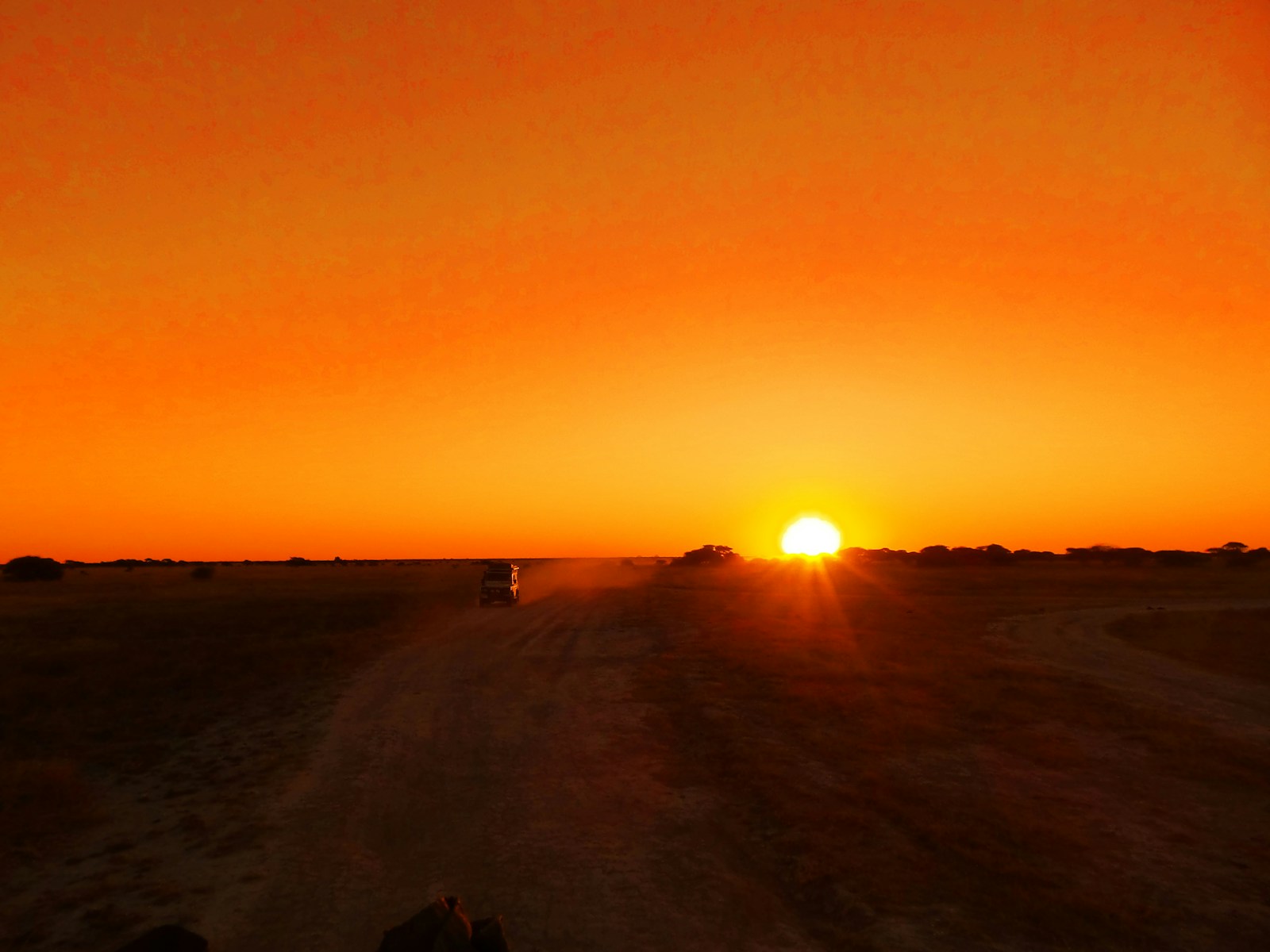
Immerse yourself in the breathtaking landscapes of Serengeti, where endless savannahs stretch to the horizon, punctuated by iconic acacia trees and rocky outcrops, known as kopjes. Capture the golden hues of sunrise and sunset painting the vast plains with hues of orange and gold, creating a photographer’s paradise at every turn.
Conservation Efforts
Supporting Wildlife Preservation
By visiting Serengeti National Park, you contribute to vital conservation efforts aimed at protecting its precious ecosystem and wildlife. Learn about the park’s conservation initiatives, including anti-poaching measures, community outreach programs, and habitat restoration projects, ensuring a sustainable future for generations to come.
Cultural Immersion
Engage with Maasai Culture
Experience the rich cultural heritage of Tanzania by engaging with the Maasai people, traditional pastoralists who call the Serengeti region home. Join guided cultural tours to Maasai villages, where you can learn about their traditional way of life, from herding cattle to performing vibrant dances around the campfire under the starlit sky.
Adventure Activities
Explore Thrilling Expeditions
Embark on thrilling adventures beyond traditional game drives, such as hot air balloon safaris, walking safaris, and birdwatching expeditions. Take to the skies for a bird’s-eye view of the Serengeti plains, drifting silently over herds of wildlife as the sun rises, casting a golden glow over the landscape.
Accommodation Options
Where to Stay in Serengeti
Discover a range of accommodation options catering to every budget and preference, from luxury lodges and tented camps to rustic bush camps and mobile safari experiences. Wake up to the sounds of the wilderness, with unparalleled views of the African bush just outside your doorstep.
Best Time to Visit
Timing Your Safari
Plan your visit to Serengeti National Park wisely to maximize your safari experience. The best time to witness the Great Migration is during the dry season from July to October when the herds congregate in the northern Serengeti and cross the Mara River. However, wildlife viewing is excellent year-round, with different seasons offering unique experiences.
Safety Tips
Ensuring a Secure Journey
While Serengeti National Park is a safe destination for travelers, it’s essential to follow safety guidelines to ensure a secure journey. Always listen to your guide’s instructions, remain inside the vehicle during game drives, and avoid approaching wild animals. Pack essential medications, stay hydrated, and protect yourself from the sun to enjoy a worry-free safari adventure.
Travel Essentials
What to Pack for Your Safari
Pack wisely for your Serengeti safari, including lightweight clothing in neutral colors, sturdy walking shoes, a wide-brimmed hat, sunscreen, insect repellent, and binoculars for wildlife spotting. Don’t forget your camera and spare batteries to capture every unforgettable moment of your African adventure.
Cost Considerations
Budgeting for Your Trip
Consider your budget when planning a trip to Serengeti National Park, taking into account factors such as accommodation, transportation, park fees, and optional activities. While luxury safaris offer unparalleled comfort and service, budget-friendly options such as camping safaris and group tours provide affordable alternatives without compromising on the experience.
Sustainable Tourism
Responsible Travel Practices
Embrace sustainable tourism practices during your visit to Serengeti National Park, minimizing your environmental footprint and supporting local communities. Choose eco-friendly accommodation, dispose of waste responsibly, and respect wildlife and cultural heritage. By traveling responsibly, you can help preserve this natural wonder for future generations to enjoy.
FAQs
What is the best time to visit Serengeti National Park?
The best time to visit Serengeti National Park is during the dry season from July to October, coinciding with the Great Migration.
Is Serengeti National Park safe for tourists?
Yes, Serengeti National Park is generally safe for tourists. However, it’s essential to follow safety guidelines and listen to your guide’s instructions during safari activities.
What wildlife can I expect to see in Serengeti National Park?
Serengeti National Park is home to a diverse array of wildlife, including the Big Five (lions, elephants, buffaloes, leopards, and rhinos), giraffes, cheetahs, wildebeests, zebras, and various bird species.
Are there accommodation options inside Serengeti National Park?
Yes, Serengeti National Park offers a range of accommodation options, including luxury lodges, tented camps, rustic bush camps, and mobile safari experiences.
Can I participate in cultural activities in Serengeti National Park?
Yes, visitors to Serengeti National Park can engage in cultural activities, such as guided tours to Maasai villages, where they can learn about Maasai traditions and customs.
5 Reasons to Visit Serengeti National Park: Wildlife & Migration
The Serengeti is best understood as a collection of habitats rather than one endless grassland. Central Seronera has year-round resident wildlife, the western corridor follows the Grumeti system, and the northern reaches meet the Mara River landscape. A safari built around a specific month should take these geographical differences seriously.
How to use this guide for a real travel decision
Long distances inside the ecosystem are part of the experience. Allow enough time for observation rather than treating every day as a race to another lodge. A two-night stay can feel very different from a rushed one-night stop, particularly when arrival and departure consume much of the daylight.
Begin with the experience you want and work backwards through travel dates, available days, your starting city and your budget. A detailed guide should expose the choices hidden by broad marketing terms, so readers can ask the right questions before they book.
The trade-offs travellers should understand
Ask which Serengeti sector your accommodation occupies, how much time the vehicle spends travelling from the gate, and whether your safari is private or shared. Those details often matter more than a general label such as “Serengeti safari.”
How to compare travel quotations fairly
- Match the exact itinerary and number of overnight stays, not just the title and total days.
- Compare actual hotel or camp location, room category and meal basis.
- Check entry charges, guided activities, transport and flight legs that are explicitly included.
- Look for practical details on travel connections, seasonal alternatives and local permissions.
- Read deposit, change and cancellation policies supplied for the particular booking.
Questions readers should ask before travel
What is the most important experience on this trip? Which days include long transfers? What changes if the weather or wildlife location differs from expectations? How does the proposed accommodation affect the daily plan? These questions create more reliable decisions than an unverified list of superlatives.
Seasonal planning and realistic expectations
No month is perfect for every region or every activity in Tanzania. Rainfall, roads, animal movement and visitor numbers differ across the coast, northern parks, western lakes and highlands. Compare information for the places you are actually visiting and check operational details close to departure.
Beyond famous wildlife, the Serengeti rewards travellers through its scale, varied habitats and seasonally changing landscapes. A reason to visit in one month may be different from the best reason to visit later in the year.
The planning decision that matters most
Consider whether you want a broad first safari, a specialist photography trip or a seasonal migration enquiry. Each deserves a different pace and area of focus.
Choose the right part of the Serengeti for the season
The Serengeti’s central, western, southern and northern landscapes serve different interests. Migration-focused planning must follow the probable distribution of wildlife, not a fixed month-by-month promise. Animals respond to rainfall and grass; crossing events are unpredictable.
How many days should you allow for a Serengeti safari?
A short visit may introduce the central region, but extended time makes it easier to work around long drives, changing weather and wildlife movements. If your primary ambition concerns a specific faraway sector, ask whether it is sensible to fly in or allocate several nights nearby.
Practical choices for photographers and first-time travellers
Photographers often benefit from a private vehicle and patient guiding, while first-time visitors may value a combination with Tarangire and Ngorongoro. The best choice depends on arrival point, accommodation locations and the number of full wildlife-viewing days.
Questions to ask before confirming the booking
- Which exact destinations and overnight locations are included, and how much time will be spent travelling between them?
- Which fees, flights, meals, equipment and transfers are included in the quoted price?
- Is the departure confirmed, private or shared, and are any activities subject to age, health or access restrictions?
- What happens if weather, a transport cancellation or an accommodation change affects the schedule?
- Which conditions apply to deposits, cancellation, refunds and travel insurance?
Frequently asked questions
How far ahead should a Tanzania journey be planned?
The useful lead time depends on dates and availability. Popular lodges and flight connections can fill, so inquire early, but evaluate the final itinerary carefully before paying.
Should I choose the cheapest package?
Choose the proposal that meets your needs with transparent inclusions and realistic logistics. A lower price may reflect a shorter programme or different accommodation and transport.
Do all trips include the same wildlife activities?
No. Permitted activities and wildlife opportunities vary by park, season and provider. Confirm each specific experience in the written itinerary.
Can I add beach days or another safari destination?
Often, subject to transport connections, timing and availability. Adding a destination is worthwhile only when the schedule allows time to enjoy it.