
Introduction
Embracing the verdant allure of Tanzania’s green season opens a gateway to a realm of unparalleled beauty and natural wonder. While the dry season often steals the spotlight, the green season holds its own charm, beckoning adventurers with promises of lush landscapes and unique wildlife encounters. Here’s why the green season in Tanzania deserves a place on every traveler’s itinerary.
Exploring the Vibrant Ecosystem
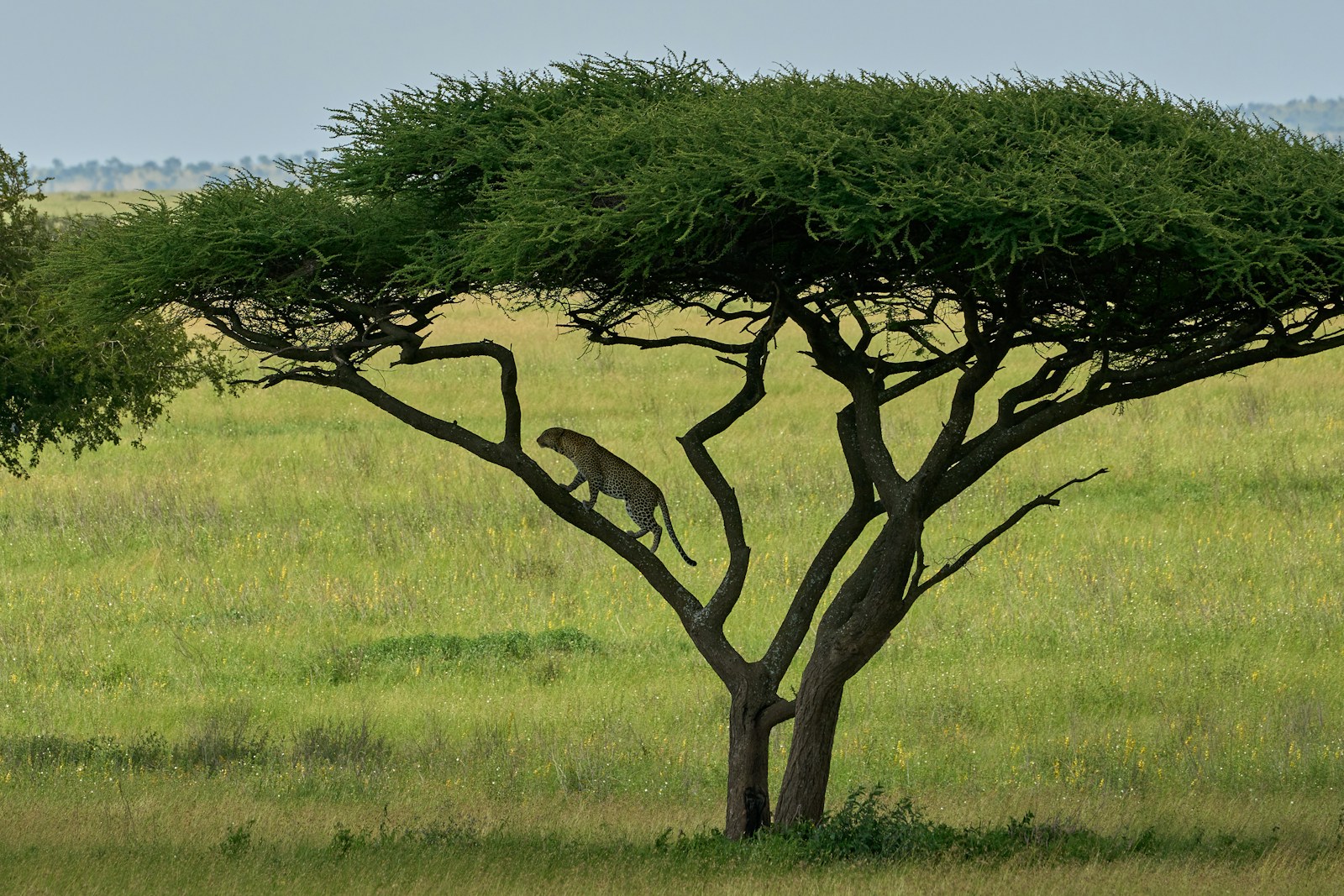
The green season in Tanzania transforms the landscape into a vibrant tapestry of hues, as fresh foliage blankets the savannahs and forests. Amidst this lush greenery, wildlife thrives, painting a picturesque tableau of life in its purest form.
Witnessing the Great Migration
Contrary to popular belief, the green season offers an unparalleled opportunity to witness the Great Migration in all its glory. As the herds traverse the Serengeti in search of fresh grazing grounds, the landscape comes alive with the rhythmic beat of hooves and the melodious calls of nature.
Discovering Hidden Gems
While the dry season draws crowds to popular hotspots, the green season unveils Tanzania’s hidden gems. From lesser-known national parks to secluded wilderness areas, this is the perfect time to venture off the beaten path and discover the true essence of Tanzania.
Experiencing Authentic Cultural Encounters
Beyond its natural splendor, Tanzania is a melting pot of cultures, each contributing to the rich tapestry of the nation’s heritage. During the green season, travelers have the opportunity to engage with local communities, immersing themselves in age-old traditions and forging meaningful connections.
Enjoying Exclusive Safari Experiences
With fewer tourists and lower accommodation rates, the green season offers a more intimate safari experience. Whether embarking on game drives, bush walks, or birdwatching excursions, travelers can enjoy uninterrupted encounters with Tanzania’s majestic wildlife.
Reveling in Refreshing Showers
While the dry season brings scorching temperatures, the green season offers relief in the form of refreshing showers. These brief interludes of rain not only rejuvenate the landscape but also provide respite from the heat, creating a comfortable environment for exploration.
Supporting Conservation Efforts
Traveling during the green season allows visitors to contribute to conservation efforts in Tanzania. By supporting eco-friendly lodges and sustainable tourism initiatives, travelers can help protect the country’s natural heritage for future generations to enjoy.
FAQs About the Green Season in Tanzania
Is the green season a good time for safaris? Yes, the green season offers unique safari experiences with lush landscapes and fewer crowds.
What wildlife can I expect to see during the green season? Wildlife sightings vary, but you can expect to encounter a wide array of species, including elephants, lions, zebras, and wildebeests.
Are accommodations readily available during the green season? While some lodges may close during this time, many remain open, offering discounted rates and exclusive packages.
What should I pack for a trip during the green season? It’s essential to pack lightweight clothing, waterproof gear, insect repellent, and sturdy walking shoes.
Are there any safety precautions to consider during the green season? Travelers should be mindful of muddy roads and increased mosquito activity, but with proper preparation, the green season is a safe and rewarding time to visit Tanzania.
Can I still witness the Great Migration during the green season? Yes, the Great Migration occurs year-round, and the green season offers unique opportunities to witness this natural spectacle amidst lush landscapes.
Conclusion
In conclusion, the green season in Tanzania is a hidden gem waiting to be discovered. From vibrant landscapes to exclusive safari experiences, this enchanting time of year offers travelers a glimpse into the untamed beauty of Africa. So why wait? Embrace the green season and embark on an unforgettable journey through Tanzania’s wilderness.
Green Season Tanzania Safari: Weather, Wildlife & Benefits
The first decision in a Tanzania safari is not the lodge or even the park. It is the amount of time available once airport arrivals, road transfers and departure logistics are subtracted. Five days on paper can mean considerably fewer full days observing wildlife.
How to use this guide for a real travel decision
For a northern route, consider whether you prefer broad habitat variety or extended time in the Serengeti. Tarangire, Ngorongoro and Serengeti complement one another, but the value of the combination depends on sensible travel days.
Begin with the experience you want and work backwards through travel dates, available days, your starting city and your budget. A detailed guide should expose the choices hidden by broad marketing terms, so readers can ask the right questions before they book.
The trade-offs travellers should understand
Before paying, request one final itinerary with exact nights, park fees, guide and vehicle arrangements, room categories, meal plan, domestic flight conditions and a clear schedule for any balance payment.
How to compare travel quotations fairly
- Match the exact itinerary and number of overnight stays, not just the title and total days.
- Compare actual hotel or camp location, room category and meal basis.
- Check entry charges, guided activities, transport and flight legs that are explicitly included.
- Look for practical details on travel connections, seasonal alternatives and local permissions.
- Read deposit, change and cancellation policies supplied for the particular booking.
Questions readers should ask before travel
What is the most important experience on this trip? Which days include long transfers? What changes if the weather or wildlife location differs from expectations? How does the proposed accommodation affect the daily plan? These questions create more reliable decisions than an unverified list of superlatives.
Seasonal planning and realistic expectations
No month is perfect for every region or every activity in Tanzania. Rainfall, roads, animal movement and visitor numbers differ across the coast, northern parks, western lakes and highlands. Compare information for the places you are actually visiting and check operational details close to departure.
The green season can bring beautiful vegetation, dramatic clouds and active birdlife, while muddy roads and changing access can require flexibility. It is a different experience, not merely a worse version of the dry season.
The planning decision that matters most
Ask which areas remain accessible, how long drives might take and whether your accommodation operates across the intended dates.
Northern, southern and coastal Tanzania are different journeys
The northern circuit includes Serengeti, Ngorongoro, Tarangire and other nearby landscapes, with Arusha commonly used as a gateway. Southern options such as Mikumi, Ruaha and Nyerere have their own access patterns. Beach holidays in Zanzibar add another set of flight, tide and hotel considerations. Combining regions is possible, but not always wise on a short schedule.
Choosing travel dates and accommodation thoughtfully
The dry season can concentrate wildlife at remaining water sources, while greener periods offer different scenery, birdlife and seasonal conditions. Lodging category alone does not explain value; distance from the wildlife area, room standards and travel-time savings all matter.
How to compare a safari quote fairly
Compare the vehicle and guide arrangement, exact accommodation nights, included park fees, meals, optional activities and transport before comparing total prices. The itinerary should explain the last day just as clearly as the first, particularly when an international flight is involved.
Questions to ask before confirming the booking
- Which exact destinations and overnight locations are included, and how much time will be spent travelling between them?
- Which fees, flights, meals, equipment and transfers are included in the quoted price?
- Is the departure confirmed, private or shared, and are any activities subject to age, health or access restrictions?
- What happens if weather, a transport cancellation or an accommodation change affects the schedule?
- Which conditions apply to deposits, cancellation, refunds and travel insurance?
Frequently asked questions
How far ahead should a Tanzania journey be planned?
The useful lead time depends on dates and availability. Popular lodges and flight connections can fill, so inquire early, but evaluate the final itinerary carefully before paying.
Should I choose the cheapest package?
Choose the proposal that meets your needs with transparent inclusions and realistic logistics. A lower price may reflect a shorter programme or different accommodation and transport.
Do all trips include the same wildlife activities?
No. Permitted activities and wildlife opportunities vary by park, season and provider. Confirm each specific experience in the written itinerary.
Can I add beach days or another safari destination?
Often, subject to transport connections, timing and availability. Adding a destination is worthwhile only when the schedule allows time to enjoy it.